


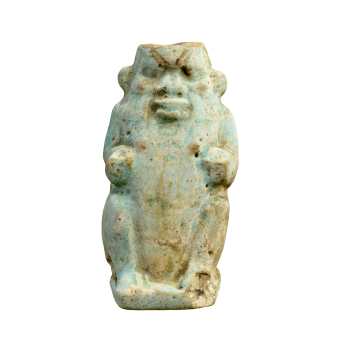
University of Bonn Academic Art Museum Bass Image Vessel
It is an ancient artwork collected by the Academic Art Museum of Bonn University. The vessel depicting the image of bass was made between 550 BC and 600 BC, and is likely to have been discovered in Nocratis. Made of glazed pottery with a blue-green surface, this material floats on quartz sand during the firing process, forming a texture similar to glaze. Glazed pottery was already produced in Egypt around 4000 BC, and there was a proposal from Naukratis to establish a workshop. However, this work is likely to have been produced in the Eastern Greek region, and there have been proposals to establish a studio in Rhodes. It showcases the image of the Egyptian god Bess, who is a deity with the ability to ward off evil spirits.

A Kashan pottery kettle in the shape of a ram
The "Ram shaped Kashan pottery kettle" is a 13th century Iranian artwork currently housed in the Minneapolis Museum of Art in the United States. This artwork is a water kettle shaped like a ram. This work is part of the Kashan pottery, using transparent turquoise colored glaze and black underglaze painted decoration. Although there are relatively few circular ceramic sculptures in Islamic art, decorative patterns were popular on metal and ceramic vessels in Iran and Türkiye during the Seljuk rule. The shape of a bull is the most common, but there are also vessels in the shape of camels, rams, and lions.

Bronze Tripod Cauldron of the Shang Dynasty
The "Shang Dynasty Bronze Tripod" is a tableware from the 12th to 11th centuries BC, currently housed in the Minneapolis Museum of Art in the United States. The prototype of the tripod is a rough pottery of the same shape and name made during the Erlitou Culture period (around 3000-2000 BC). The edge of this tripod has thunder patterns, which is a symbol of copper casting in the Shang Dynasty.

Blue glazed Kashan kettle
The blue glazed Kashan kettle is a 12th century Iranian Kashan pottery, currently housed in the Minneapolis Museum of Art in the United States. This work is a type of kettle, featuring a full body, birds, plants, and low relief calligraphic patterns. It is one of the few similar deep blue glazed vessels in the late Seljuk period of the Kashan workshop. Kashan pottery is a type of pottery from the Seljuk period in Iran (1038-1194). This period may be the most creative era in Persian pottery production. In addition to gold-plated vessels, minai vessels, and monochrome blue glaze, underglaze painted pottery was also produced.

During the Spring and Autumn Period and the Warring States Period, wine pots were used
The Chinese Warring States period wine pot, from the 5th to 4th centuries BC, is now collected at the Minneapolis Museum of Art. During the Warring States period, a new trend of bronze decoration emerged, which used inlay techniques to depict more vivid painting scenes. Generally speaking, inlay involves inserting very thin gold, silver, or copper foil wires into thin lines engraved on the copper surface. The technique of decorating copperware with turquoise or even rarer turquoise has existed since the Erlitou Culture period. In the late Spring and Autumn period and the Warring States period, this technique, which now includes more gold and silver inlay, began to be widely used, and the most exquisite vessels and accessories, such as hooks, were made during this period.

Shang Dynasty wine vessels
Gou is a wine vessel from the 12th to 11th centuries BC, currently housed in the Minneapolis Museum of Art in the United States. This work is a tall wine glass, with its trumpet shaped top gradually narrowing to the slender center, and then expanding again to the slightly outward turned bottom. Archaeological evidence shows that bronze spears first appeared during the Erligang period of the Shang Dynasty. The gradual decline of wine vessels may be related to King Zhou's denigration of alcohol consumption, as he believed that excessive drinking led to the collapse of the Shang Dynasty. This temple is decorated with a variant of the gluttonous mask. The entire vessel has a tight spiral background pattern, known as the thunder pattern, which is a symbol of copper casting in the Shang Dynasty.

A Kashan pottery kettle in the shape of a ram
The "Ram shaped Kashan pottery kettle" is a 13th century Iranian artwork currently housed in the Minneapolis Museum of Art in the United States. This artwork is a water kettle shaped like a ram. This work is part of the Kashan pottery, using transparent turquoise colored glaze and black underglaze painted decoration. Although there are relatively few circular ceramic sculptures in Islamic art, decorative patterns were popular on metal and ceramic vessels in Iran and Türkiye during the Seljuk rule. The shape of a bull is the most common, but there are also vessels in the shape of camels, rams, and lions.

Western Zhou Yu
Yu "is an ancient Chinese vessel used to hold wine. Its exact appearance time is unknown, but it was popular during the Shang and Western Zhou dynasties. At that time, it was used to hold wine, so most of its appearance was round or oval, with feet or foot rings at the bottom, and exquisite craftsmanship patterns carved around it.

Bronze wine vessels for sacrificial offerings in the Shang Dynasty
The "Shang Dynasty Sacrificial Wine Vessel" is a Chinese cultural relic dating back to the 12th to 11th centuries BC, currently housed in the Minneapolis Museum of Art in the United States. This cultural relic is made of bronze. Its dimensions are 27.62 × 12.7 × 11.75 centimeters and it weighs 1.3 kilograms.

Bronze Turkic wine jar
The Turkic wine jar is a 5th century BC wine vessel, now housed in the Minneapolis Museum of Art in the United States. This storage container is part of an important hunting scene for the Hu people. They showcase the influence of nomadic art in northern China. The four main straps depict scenes of men hunting birds, deer, wild boars, and tigers with spears, knives, and bows and arrows. These pictorial scenes depicting human activities represent a revolutionary change in bronze art.
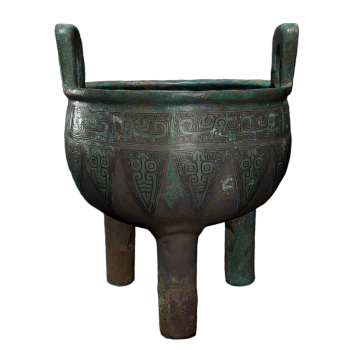
Zhou Dynasty Three legged Cauldron
This cultural relic is a three legged tripod, a bronze vessel, and its ceramic prototype can be traced back to the Peiligang culture of the Neolithic Age. In the early Shang Dynasty (1600-1300 BC), bronze versions of the flat footed tripod began to be cast. Ding is an ancient Chinese cooking or storage vessel, usually with two handles located at the edges, supported by three or four cylindrical legs. The shape of the tripod was almost ubiquitous in early China, including ceramic vessels from the Neolithic period and bronze vessels from the Shang Dynasty, as well as many later imitations of bronze and glazed pottery. This artifact is housed in the Minneapolis Museum of Art.

Late merchant bronze three-legged jue wine vessel
Jue is a vessel used in ancient China to serve warm wine in ancestor worship rituals. It is ovoid and supported by three spreading triangular legs, with a long curved beak on one side and a balanced handle on the other. Many examples have one or two ring handles on the sides and two column protrusions on the top, which may be used to enable people to lift the vessel with a belt. They are usually gorgeously decorated and have gluttonous decorations.

Shang Dynasty Bronze Gong Wine Ware
It's a ritual used to hold wine. It was mainly made during the reign of King Wu and King Zhao in the late Shang Dynasty (1300-1046 BC), and during the early Western Zhou Dynasty (1046-977 BC). Found in Anyang, this deep, boat-shaped wine-tipper demonstrates almost perfect craftsmanship. On the lower part of the handle and side are carved Taotie masks.

Western Zhou tripod
This relic is a tripod, a bronze vessel, and its ceramic prototype can be traced back to the Neolithic Peiligang culture. In the early Shang Dynasty (1600-1300 BC), bronze versions of the Pingzu Ding were cast. Ding is an ancient Chinese cooking or storage vessel, usually with two handles at the edge, supported by three or four columnar legs. The shape of the tripod is almost ubiquitous in China's early eras, including Neolithic ceramic vessels and Shang dynasty bronze vessels, as well as many later bronze and glazed pottery imitations. This artifact is in the collection of the Minneapolis Museum of Art.

Porcelain from the Kangxi period of the Qing Dynasty: "Porcelain Salt Bottles from the Kangxi Period of the Qing Dynasty"
This Chinese cultural relic is a porcelain called "Porcelain Salt Bottle from the Kangxi Period of the Qing Dynasty". It was fired during the Kangxi period of China (1662-1722) and is currently housed in the Krakow Salt Mine Museum in Poland. Before the development of porcelain production technology in Europe, porcelain from foreign countries had already been imported since the Middle Ages, and their prices often exceeded those of similar silverware. For many years, they have only been used for decoration, while their fashion trends continue to spread. These products have aroused the curiosity of European buyers due to their rich and exotic patterns.

Popular Models

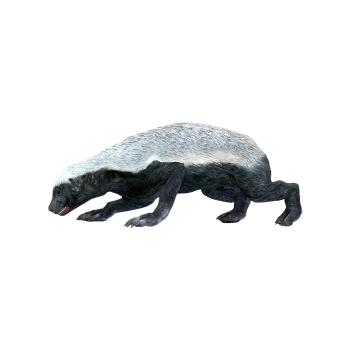
Honey Badger (3D animated model)
192 View
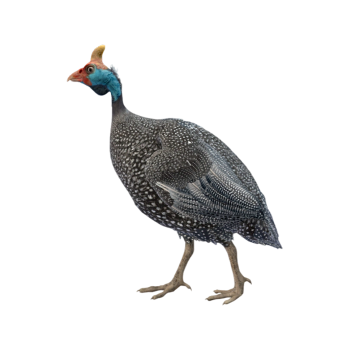
Guinea fowl (3D animated model)
163 View
Wild Goose (3D animated model)
185 View

Red Fox (3D animated model)
153 View
Random Model


Orange Leather Baseball Glove
788 View
Statue of African Buffalo
464 View
Lit Candle (3D animated model)
130 View
Studio Chandelier
1202 View

Old-fashioned radio
879 View

Nike Kyrie 2 sneaker
679 View

Generator equipment
999 View

Nike Offline 2.0 Men's Slippers
741 View

Ancient Greek Pottery Kraut
687 View